Watermelon Varieties
Top Watermelon Varieties for Zones 5–6
Optimized for short growing seasons, nutrient density, and reliability
| Variety | Visual | Type | Days | Key Benefit | Best Use |
|---|---|---|---|---|---|
| Sugar Baby |
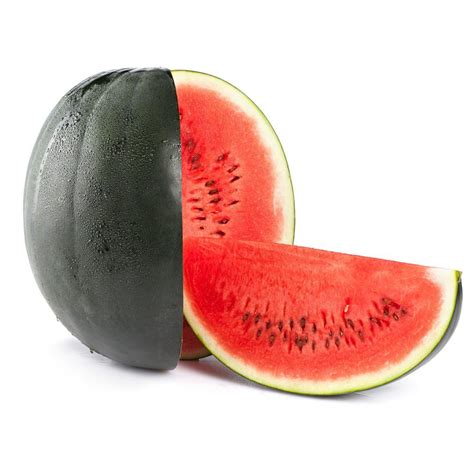
|
Red (Small) | ~75 | Fast, dense, high nutrient concentration | Reliable primary crop |
| Orangeglo |
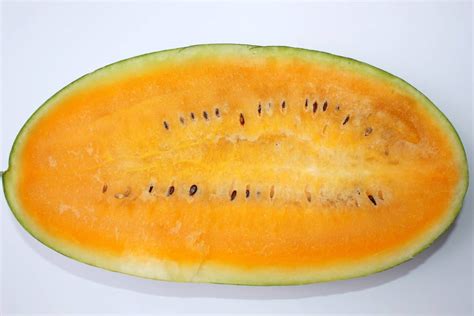
|
Orange | ~90 | High beta-carotene, antioxidant rich | Nutrient-dense specialty |
| Yellow Baby Doll |
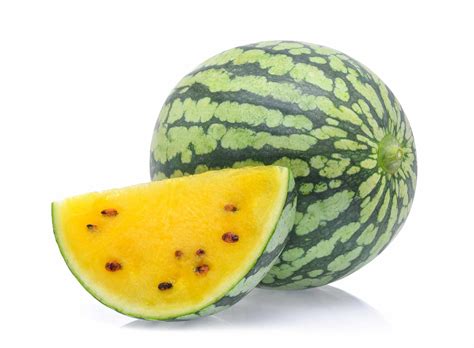
|
Yellow | ~70–75 | Early harvest, easy in cooler climates | Beginner-friendly |
| Crimson Sweet |
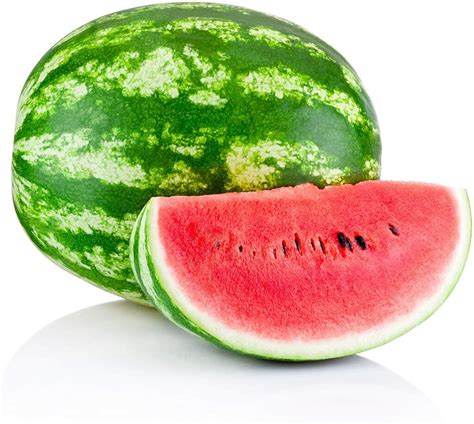
|
Red | ~80–85 | High lycopene, disease resistant | Balanced yield |
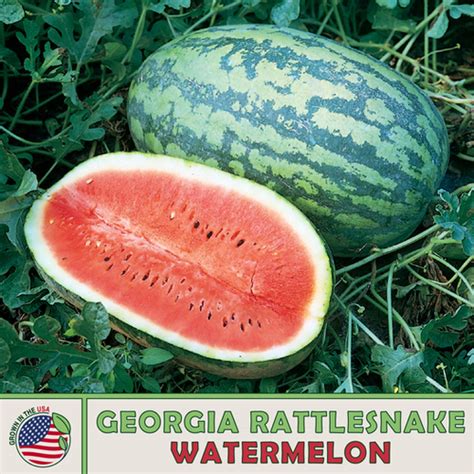
| Georgia Rattlesnake |
|
Red (Heirloom) | ~85–90 | Strong mineral uptake, resilient genetics | Heirloom diversity |
General Watermelon Container Grow Guidelines
- Plant at the Optimal Timing
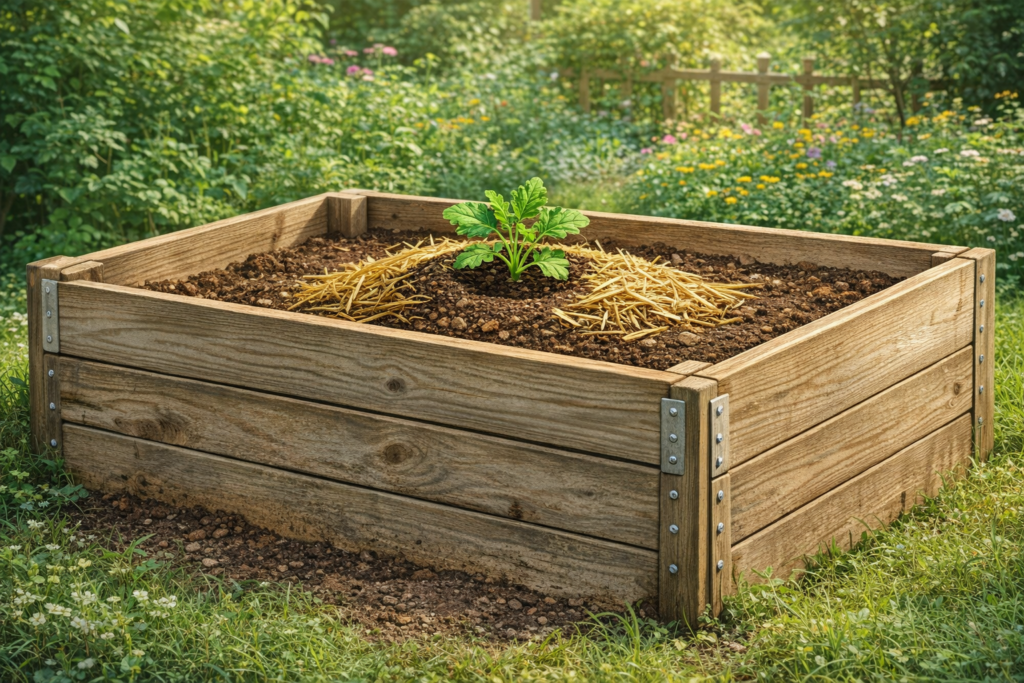
Wait until soil temperatures reach at least 70°F and nights are consistently warm; or, start indoors and transplant once roots are developed. Early planting into cold soil leads to weak roots and permanently reduced yield. - Garden Beds Yield Best Results (Pharoh’s Pro Tip)
- Plant on a mound, water around perimeter (Pharoh’s Pro Tip)
- Maximize sunlight and heat exposure
Place containers in full sun (6–8+ hours), ideally near a heat-reflective surface like a wall or stone. Watermelon requires sustained warmth to develop sugar and proper fruit size. - Water deeply, then allow drying cycles
Avoid constant moisture, instead water thoroughly and let the top layer dry between cycles. Slight stress during growth improves sweetness and nutrient concentration. - Feed early, not late
Apply compost or light nutrients (potassium) during early growth and flowering stages. Avoid heavy feeding during fruiting, which can dilute flavor and reduce overall quality.
Companion Plants
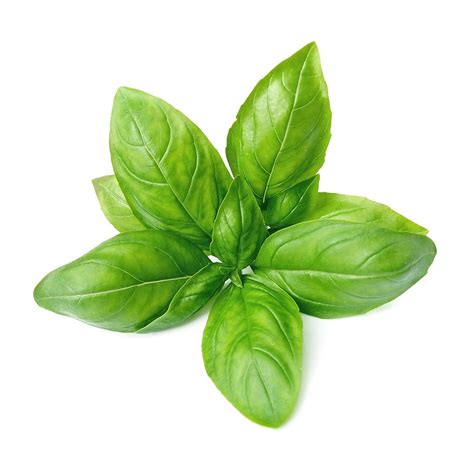
Basil
Improves plant vigor and may help repel pests like aphids and whiteflies. Its aromatic oils support a healthier micro-ecosystem around watermelon vines without competing heavily for nutrients.
Nasturtium
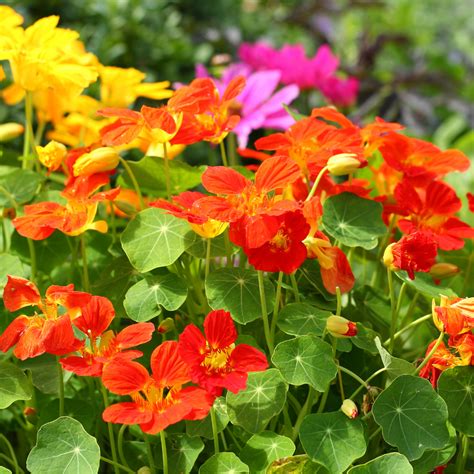
Acts as a trap crop, drawing aphids and beetles away from watermelon. Also provides edible flowers and spreads easily along container edges without crowding roots.
Marigold
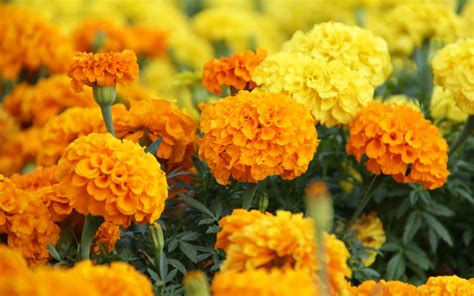
Known for suppressing soil nematodes and harmful insects. Strong scent helps deter beetles and other pests while supporting overall soil health.
Radish
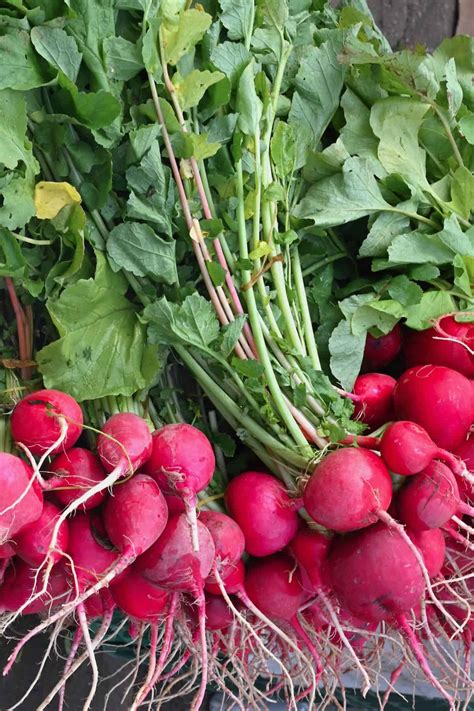
Fast-growing and useful for deterring cucumber beetles, one of watermelon’s main threats. Harvest early so it doesn’t compete with watermelon roots long-term.
Cucumber
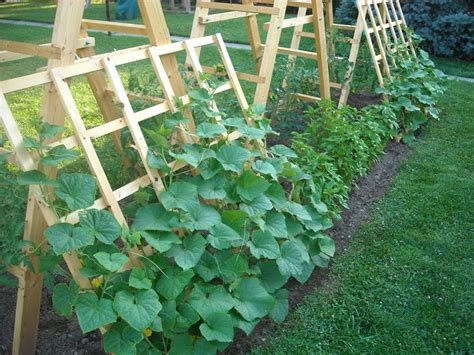
Cucumbers make a strong companion for watermelon because they share similar growing requirements, warm soil, full sun, and consistent moisture, allowing them to be managed efficiently in the same bed.
Borage
Excellent pollinator attractor, which directly improves fruit set and yield. Also accumulates trace minerals and can enhance soil biology when used as a chop-and-drop plant. Beware, this is an invader and will take over your entire garden if you let it. Plant strategically.
What zone do you live in? Would you like a guide on that Hardiness Zone, or more knowledge on a particular subject? Do indicate so in the comments below.




0 Comments